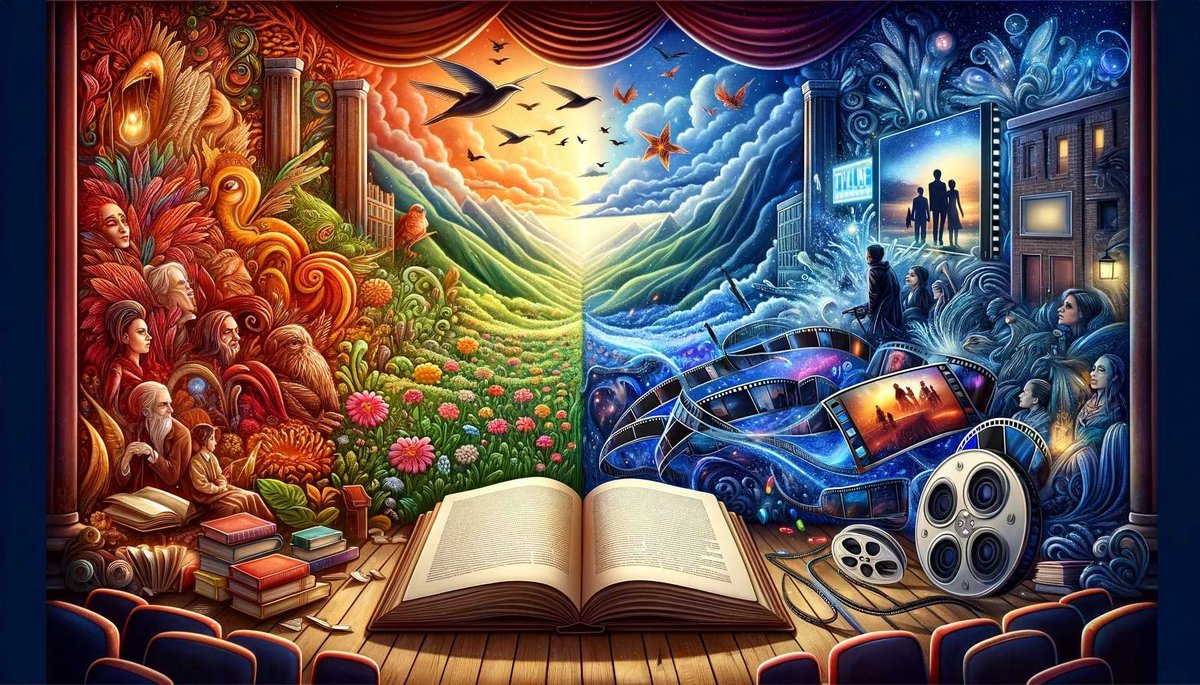
The world of Luc Besson's Arthur and the Minimoys offers a fascinating lens into the delicate art of adaptation. When a beloved book series makes the leap to the big screen, the journey is rarely a literal translation. Instead, it's a creative reinterpretation, a director's vision shaping an author's words. For fans eager to understand the nuances of Arthur 3: Book vs. Film Differences, especially concerning the climactic "War of the Two Worlds," it’s important to appreciate the foundational choices made in adapting the entire series. While specific, granular comparisons for Arthur 3 are often extrapolated from the overarching patterns, the core philosophy of adaptation remains consistent across all installments.
The film series, including the final chapter, often sacrifices some narrative depth and character interiority for visual spectacle and brisk pacing, transforming an intimate, detail-rich literary experience into a vibrant, action-packed cinematic adventure.
At a Glance: Key Differences Between Arthur Books and Films
- Pacing: Books luxuriate in detail and character development; films are streamlined and faster-paced for visual engagement.
- Depth vs. Spectacle: Books offer a deeper dive into Minimoy culture and Arthur's inner world; films prioritize glowing forests, quick action beats, and cinematic visuals.
- Character Development: Book characters feel more rounded with interior monologues and vulnerabilities; film characters can be compressed, with emotions conveyed visually rather than explored internally.
- Worldbuilding: Books build the Minimoy world through meticulous descriptions and playful detours; films use montage and visuals to convey backstory quickly.
- Emotional Arc: Book's emotional beats unfold across chapters; film often conflates them into single, impactful sequences.
- Format: Books are imagination-first, relying on prose; films blend live-action with CGI, making the fantastical tangible.
The Enduring Allure of Arthur's Worlds: Page to Screen
The magic of Arthur's adventures—his journey into the world of the tiny Minimoys to save his grandparents' home—captivated millions through Luc Besson's original novels. When these stories transitioned to film, a new dimension of storytelling emerged. This adaptation process, particularly evident in the initial film, Arthur and the Invisibles, establishes a clear pattern that likely holds true for understanding the distinct elements of Arthur 3: Book vs. Film Differences.
It's crucial to acknowledge that much of the detailed comparative analysis available often focuses on the first book (Arthur and the Minimoys) and its corresponding film. However, the creative decisions made in that initial adaptation typically set the tone for the entire cinematic series, providing a strong framework for understanding how Arthur 3: War of the Two Worlds would diverge from its literary counterpart. The director's priority for pacing, clear visual arcs, and heightened tension on screen, as observed in the first installment, carries through to the grand finale. For those eager to explore the full scope of Arthur 3's narrative, understanding these underlying adaptation philosophies is key.
Core Battleground: Deep Dive vs. Dynamic Display
The fundamental tension in adapting Arthur's saga lies between the book's invitation to leisurely exploration and the film's imperative for immediate, visual impact. This distinction shapes everything from character development to plot progression.
The Book's Intimate Embrace: Richness and Interiority
Luc Besson's prose in the original Arthur and the Minimoys (and, by extension, the subsequent novels leading to Arthur 3) offers a deeply immersive experience. The books are a "breezy, detail-rich children's tale that luxuriates in small, whimsical moments." You get to "taste the world," lingering on quirky Minimoy customs, clever gadgets, and the intricate minutiae of their daily lives.
The novel "lets the reader's imagination do heavy lifting," using vivid descriptions and "little sketches" to build an intimate bond with the tiny inhabitants. It’s a "private map you can wander," filled with "interior wonder" and the inner thoughts of characters, particularly Arthur's. Readers sense "longer stretches of Arthur's vulnerability" and gain a deeper understanding of "the backstory of the Minimoy society" through unhurried exposition and gentle reveals. This pacing "lets relationships breathe," fostering a more profound connection between Arthur and his Minimoy companions.
The Film's Cinematic Lens: Spectacle and Streamlining
In stark contrast, the film adaptations, including what we can infer about Arthur 3: War of the Two Worlds, are "streamlined for visual storytelling." The director prioritizes "pacing, clear visual arcs, and occasionally alters sequences to heighten tension or clarity on screen." This means episodes from the book are often "mashed together," side characters might be "trimmed," and the narrative "pivots toward spectacle."
Think "glowing forests," "quick action beats," and the "glossy blend of live-action framing with CG Minimoys." The blend of "live-action and animation... adds a different emotional texture," as seeing a real-world Arthur contrasted with the tiny CGI world influences how you root for him. The film "emphasizes the adventure-hero arc more," polishing scenes for a "wider audience and faster tempo." While visually stunning, this approach means some emotional threads are "shortened or shown rather than felt," impacting how sympathetic certain characters might seem.
Character Arc & Emotional Resonance: A Shifting Perspective
One of the most profound differences lies in how characters and their emotional journeys are presented. Books allow for profound internal journeys; films must convey these external.
From Page to Persona: Nuance vs. Urgency
In the books, characters feel "fully rounded on the page." Besson's writing grants readers access to their thoughts, motivations, and vulnerabilities, allowing for a gradual, organic development. You appreciate the layers that make a character like Selenia fiercely independent yet deeply loyal, or Max an enigmatic presence.
In the films, "characters who feel fully rounded on the page sometimes get compressed." Emotional beats that "unfolded across chapters in the book may be conflated into a single sequence in the film." This cinematic urgency means that "some emotional threads from the book get shortened or shown rather than felt," potentially changing how deeply you connect with certain characters or understand their transformations. The vulnerability Arthur experiences, which is a significant part of his journey in the books, is often "communicated via visuals and montage" in the film rather than extended narrative exposition.
The Role of Imagination: Reader's Canvas vs. Director's Vision
The book version is "cozier and imagination-first." It invites the reader to fill in the gaps, to visualize the tiny world of the Minimoys through the power of suggestion and descriptive language. This "slower reveals" build a unique, personal connection to the world.
The film, conversely, is "eye-catching and brisk." It makes the "imagination made visible." What you once pictured in your mind's eye is now laid out in intricate CGI and dynamic cinematography. This can be thrilling and immediate, but it replaces the active participation of the reader's imagination with a more passive viewing experience. This shift profoundly affects how you appreciate the epic conclusion of Arthur's journey.
Pacing the Adventure: Meandering Paths vs. Express Lane
The pace at which a story unfolds is a critical determinant of its impact, and here, the book and film diverge significantly.
The Book's Unhurried Journey
The novels, from Arthur and the Minimoys through to Arthur 3, are designed for a more leisurely consumption. "The pacing lets relationships breathe, especially between Arthur and the Minimoy children." Side quests, which might feel like "playful detours," are integral to building the world and deepening understanding. This unhurried pace allows for "slow discovery," rewarding the reader with "tiny delights" and a richer, more textured experience. It's akin to taking a scenic route, appreciating every twist and turn.
The Film's Brisk Expedition
Film adaptations, by their very nature, are often driven by a need for efficiency and forward momentum. The Arthur films are no exception. The director "prioritizes pacing" to keep the audience engaged, especially given the blend of live-action and animation. Sequences are "altered to heighten tension or clarity on screen," resulting in a "faster tempo." This "streamlined" approach means the film "mashes some episodes together" and "trims side characters" to maintain a swift narrative flow. It's an "immediate and punchy" journey, akin to an express train reaching its destination efficiently. This fast tempo is especially noticeable when experiencing Arthur 3: War of the Two Worlds on screen, as the climactic nature of the story demands rapid action.
Specifics and Subtleties: What Gets Lost (or Gained)?
Beyond the broad strokes, concrete elements of the story often undergo transformation.
Side Quests and Worldbuilding Details
The books are replete with "whimsical moments" and the "minutiae of Minimoy life." These can include elaborate descriptions of their homes, their unique customs, or small, seemingly insignificant adventures that add flavor to the world. In the film, these are frequently "cut or merged" to maintain focus on the main plot, ensuring the cinematic experience remains tight and purposeful.
Minimoy Society Backstory
While the books slowly reveal the rich history and societal structure of the Minimoys, fostering a sense of wonder and understanding, the film often "communicates those via visuals and montage." A few quick shots or a brief voiceover might replace pages of carefully crafted backstory, prioritizing visual shorthand over detailed exposition.
The "Feel" of the World
Ultimately, the books create a "cozier" and more "imagination-first" atmosphere, inviting a personal connection to Arthur's world. The films, while visually impressive, offer an "eye-catching and brisk" experience. Both versions are fun, but the sensory input differs significantly, impacting the overall "texture" of the story.
Navigating the Series: Applying These Principles to Arthur 3
Given the consistent adaptation philosophy observed in the first installment, we can reasonably extrapolate how Arthur 3: Book vs. Film Differences would manifest. The third film, Arthur 3: War of the Two Worlds, is the grand culmination of the series, an escalating conflict demanding high stakes and intense action.
It's highly probable that the cinematic version of Arthur 3 amplified the visual spectacle to an unprecedented degree. A "War of the Two Worlds" naturally lends itself to large-scale CGI battles, dynamic camera work, and heightened dramatic tension. The film likely condensed any intricate battle strategies or detailed political machinations within Minimoy society that might have been present in the books, favoring clear, visually driven conflict.
Character development, particularly the emotional toll of a large-scale war, would likely be conveyed through powerful visual cues and strong performances rather than extended internal monologues. While the book could delve into the individual perspectives of countless Minimoys caught in the conflict, the film would streamline these into a more focused narrative, emphasizing Arthur's hero arc above all else. Understanding these likely choices helps fans appreciate the final chapter in Arthur's cinematic saga for its unique strengths.
Therefore, if a detailed book version of Arthur 3 existed with the same depth as the first novel, one could expect to find:
- More nuanced portrayals of wartime strategy and consequences.
- Deeper explorations of individual Minimoy and human characters' reactions to the conflict.
- Additional subplots or philosophical ponderings about the nature of war and peace that might be too slow for the film's pace.
- Slower, more intimate moments amidst the chaos, allowing for emotional breathing room that cinematic action often eschews.
The film adaptation, conversely, would focus on delivering a thrilling, conclusive experience, prioritizing the visual impact of the titular war and the heroic resolution of Arthur's quest. This often meant polishing scenes for a "wider audience and faster tempo," which undoubtedly shaped the film adaptation of Arthur 3.
Appreciating Both Worlds: A Dual Perspective
Ultimately, the differences between the Arthur books and their film adaptations aren't about one being inherently "better" than the other; rather, they are "two flavors of the same tale." Each offers a distinct yet equally valid way to experience Luc Besson's imaginative world.
The books reward you with "slow discovery," a "cozy richness" that allows for deep immersion and personal connection. They are perfect for those who love to get lost in details, savor character development, and let their imagination run wild.
The films, conversely, deliver a "fast, colorful ride." They provide "cinematic thrills," "imagination made visible," and a "brisk" pace that keeps you on the edge of your seat. They are ideal for audiences seeking immediate visual gratification and an exciting, streamlined adventure.
As one reader aptly put it, "each time I come away liking the story's heart in a new way." Whether you prefer the intimate bond forged on the page or the dynamic spectacle brought to life on screen, both versions are "worth revisiting." Your preference might even "bounce between preferring the book's cozy richness and the movie's cinematic thrills depending on my mood." Embrace the unique strengths of each medium, and you'll find a richer appreciation for Arthur's entire journey, from his first encounter with the Minimoys to the climactic War of the Two Worlds.